





Showing 1 to 22 of 22 (1 Pages)
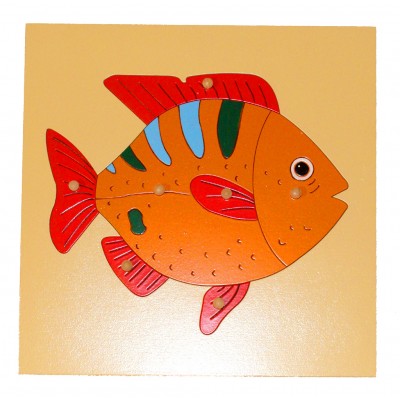
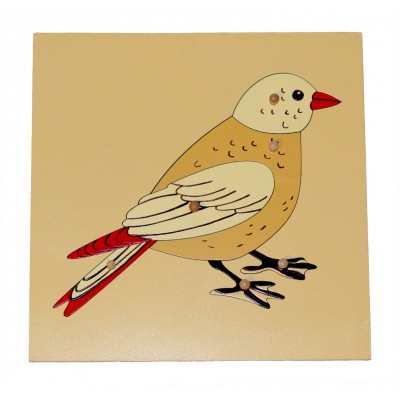
Montessori materials in the “Biology” curriculum area are concrete, sensory and self-correcting teaching tools, designed to help children understand the living world through direct manipulation and exploration, from the parts of a plant (puzzles) to the evolution of life on Earth (Life Line), transforming abstract concepts into tangible experiences to develop autonomy, concentration and deep understanding.
What they are and how they work:
Concrete and Sensory: They are often made of wood, metal or fabric, involving the senses and movement, essential for learning in children.
Self-correction (Error Control): The child realizes where he is wrong on his own, correcting without adult intervention, which builds confidence.
Isolates a Concept: Each material focuses on a single aspect (e.g.: a single part of the plant, a single evolutionary stage), facilitating understanding.
From Concrete to Abstract: They start with physical experiences (assembling a puzzle), preparing the ground for more complex, abstract concepts.
Stimulates Autonomy: The child works independently, at his own pace, with a precise purpose.
Examples of Montessori Materials in Biology:
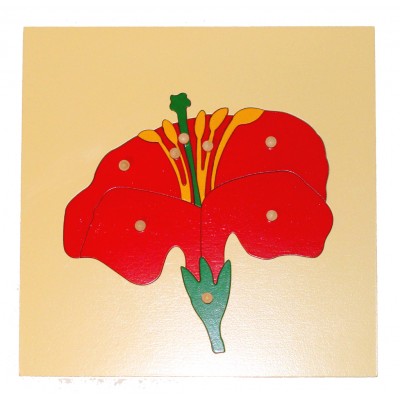
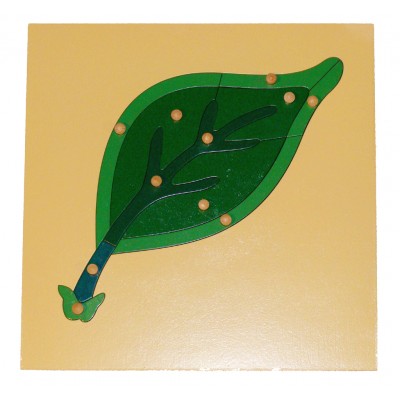
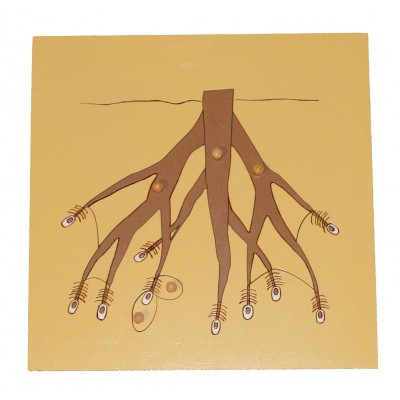
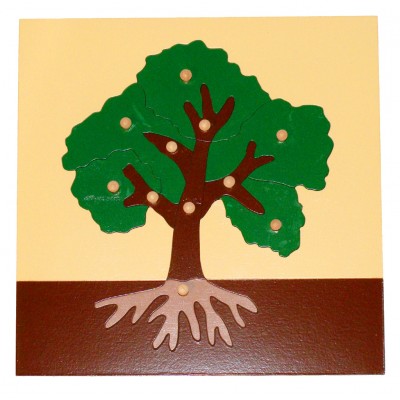
Botanical Puzzles: Parts of a flower, roots, leaves, that children assemble to understand the anatomy of plants.
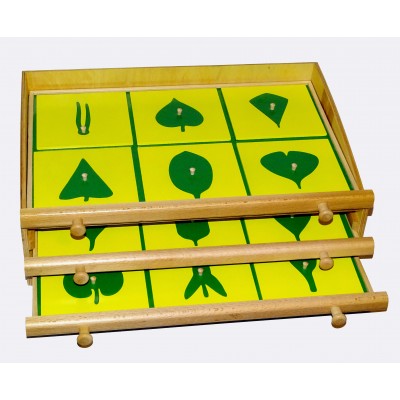
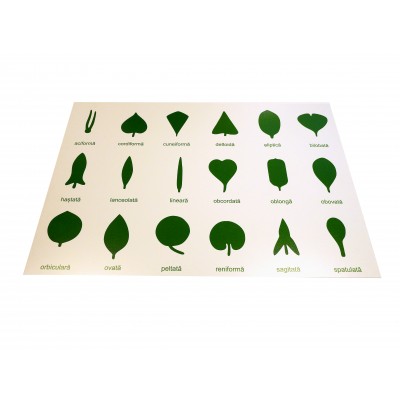
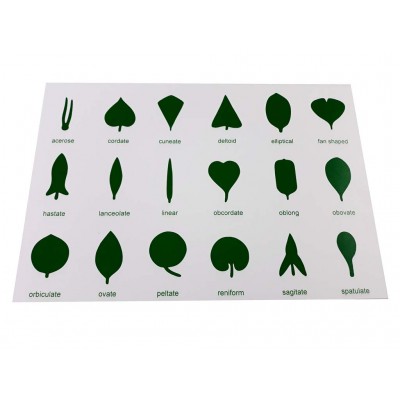
Botanical Cabinet: Cabinet with various categories of leaves or flowers, to learn classification and differences.
Main Objective: To provide a solid foundation in understanding living systems, biodiversity and man's place in nature, through the joy of discovery and practical exploration